
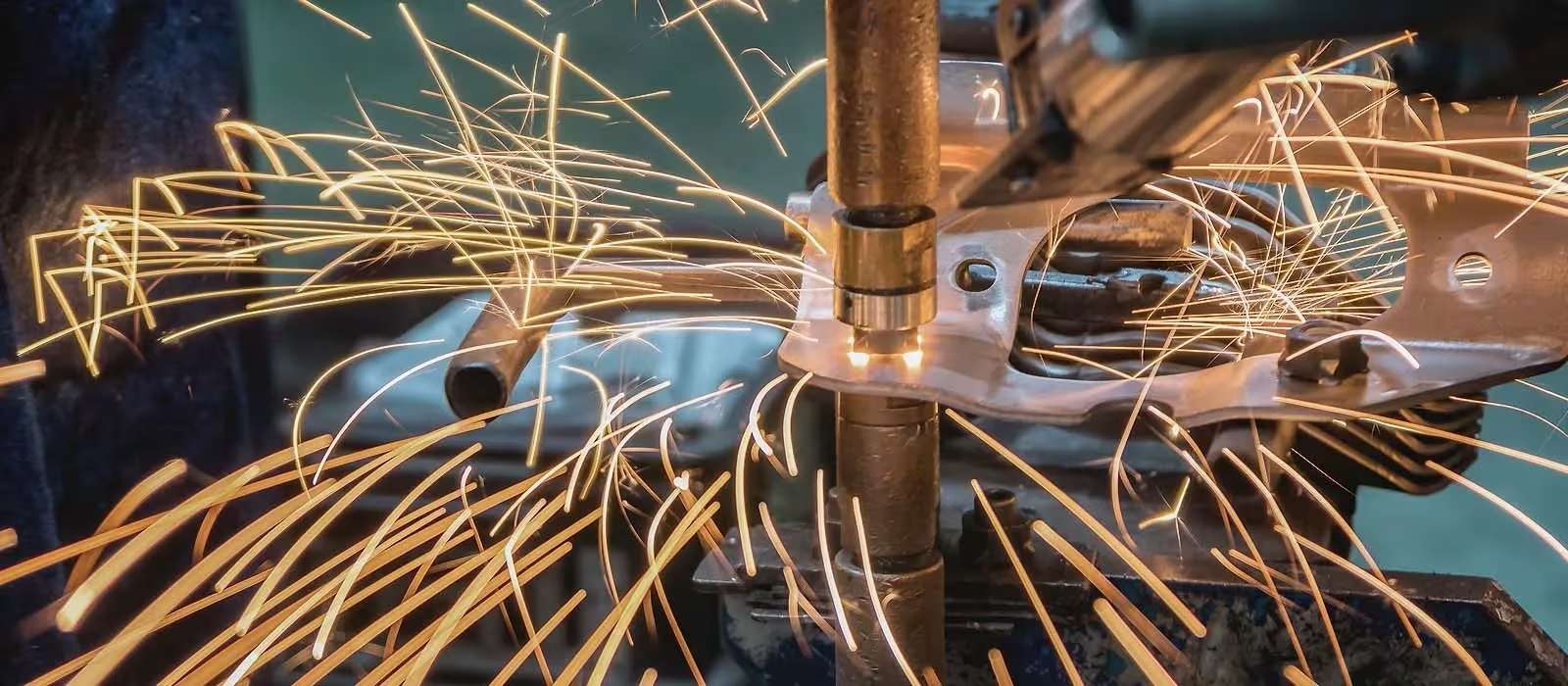
TIG WELDING · MIG/MAG
MMA · SPOT WELDING · DENT REPAIR
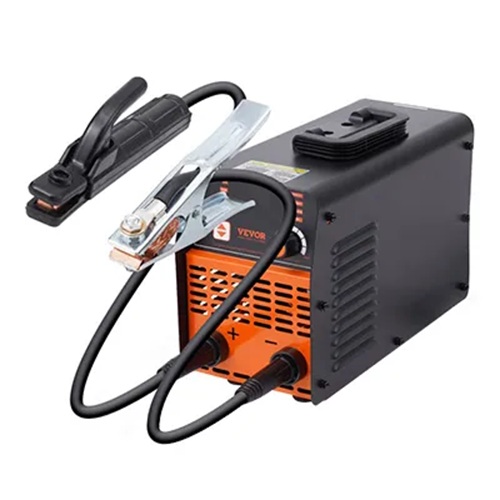
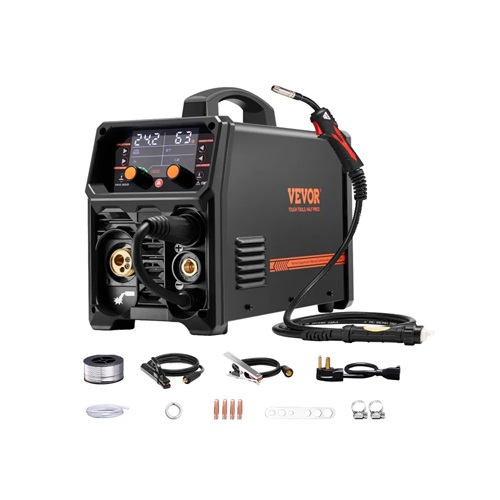
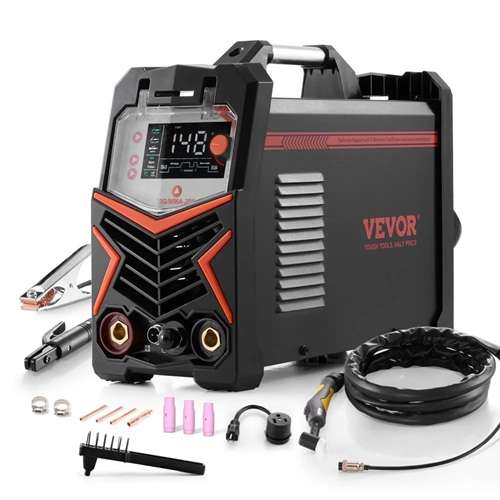
Welcome to the Welding Blog: your complete guide to welding machines and welding processes. You will find here in-depth guides, setup tips and comparisons for every application and skill level.
By Thomas Rivière, Product Analyst · Last updated: 14 October 2026
From precise TIG welding to productive MIG MAG welding, versatile MMA stick welding, industrial spot welding, bodywork stud welding and battery spot welding for lithium-ion cells: mastering the right welding technique is essential in metalwork, sheet metal fabrication and automotive repair.
Explore our complete guide to welding processes and the best welding machines available.
Welding Machines Compared: The Main Welding Processes Explained
Choosing the right welding machine depends on the process, the base material and the intended application. MIG MAG welding, TIG welding and MMA stick welding with coated electrodes are the three primary processes used by professionals worldwide.
Each requires a suitable welding torch and the appropriate filler metal: welding rod, flux-cored wire or solid wire, to produce strong, lasting weld beads.
TIG Welding: Precision and Flawless Weld Quality
TIG welding (Tungsten Inert Gas) uses a non-consumable tungsten electrode combined with an inert shielding gas, typically argon, to protect the weld pool from atmospheric contamination.
The result is a spatter-free, visually clean weld bead, making TIG the process of choice for stainless steel and aluminium applications where finish quality matters.
MIG MAG Welding: Speed and High Productivity
MIG MAG welding is a semi-automatic process: a wire feeder continuously supplies the welding torch with wire, enabling high travel speeds on large workpieces.
MIG (Metal Inert Gas) is ideal for aluminium and stainless steel, while MAG (Metal Active Gas) is perfectly suited to mild steel and carbon steel.
MMA Stick Welding: Versatility on Any Job Site
MMA welding (Manual Metal Arc, also known as SMAW, Shielded Metal Arc Welding) is the most widely used welding process in the world, valued for its simplicity and outstanding versatility.
The coated electrode creates and sustains the arc between the electrode and the workpiece. As the coating melts, it produces a shielding gas and a slag layer that protect the weld from oxidation.
No shielding gas, no complex setup. MMA works outdoors, on rusty or thick metal, and in environments where other processes simply cannot.
Spot Welding: The Standard Process in Sheet Metal and Automotive Fabrication
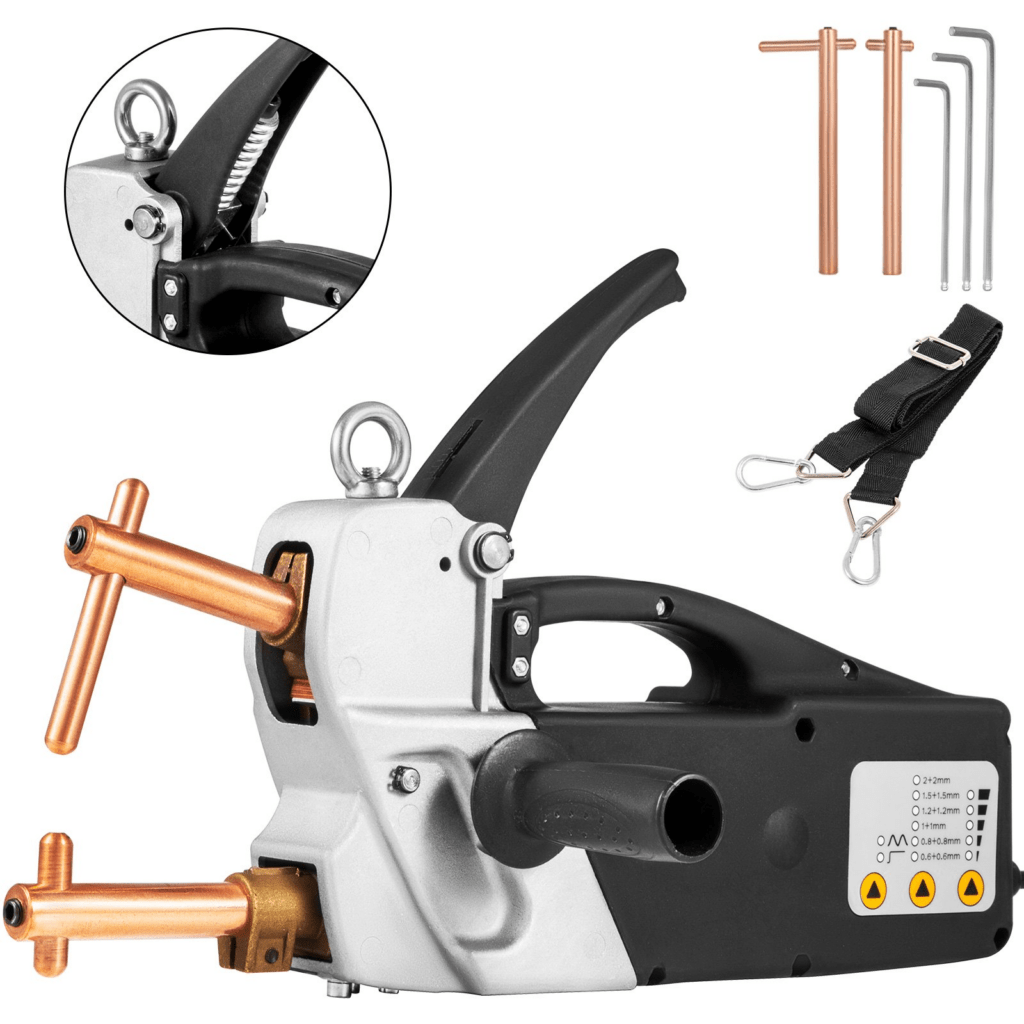
Spot welding is a resistance welding process widely used in automotive bodywork, sheet metal fabrication and structural metalwork.
Copper electrodes simultaneously apply pressure and electrical current to overlapping metal sheets, generating localised heat that fuses the metals at a precise point, forming a solid weld nugget once cooled.
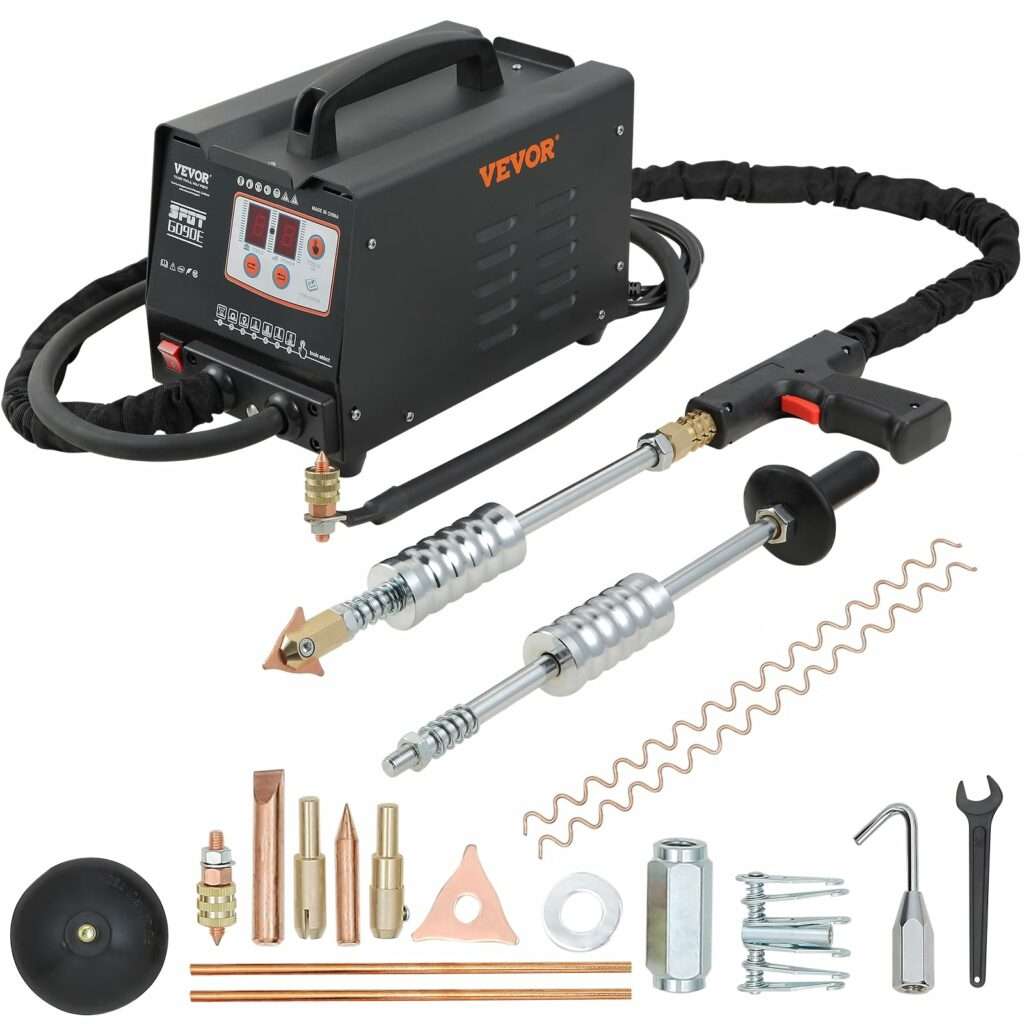
Stud Welder: Paintless Dent Repair Without Disassembly
The stud welder (also known as a dent puller or tire clou in French) is the go-to tool in professional automotive body repair shops.
Specialised pulling studs are spot-welded onto the damaged panel surface and serve as anchor points for a slide hammer, allowing the technician to apply controlled pulling force and restore the panel to its original shape, without cutting or disassembly.
Welder training covers the mastery of these processes, correct machine parameter setup and essential workplace safety standards. Experienced welders also know how to identify and correct common weld defects, cracks, porosity, inclusions, to ensure reliable, long-lasting joints.
TIG Welding: Settings, Techniques and Applications
TIG welding (Tungsten Inert Gas) is widely regarded as the most precise and demanding arc welding process.
It is used in fine sheet metal work, aerospace, process engineering and wherever the highest weld quality is required on aluminium, stainless steel or titanium.
The process relies on a non-consumable tungsten electrode and an inert shielding gas that completely isolates the weld zone from the atmosphere.
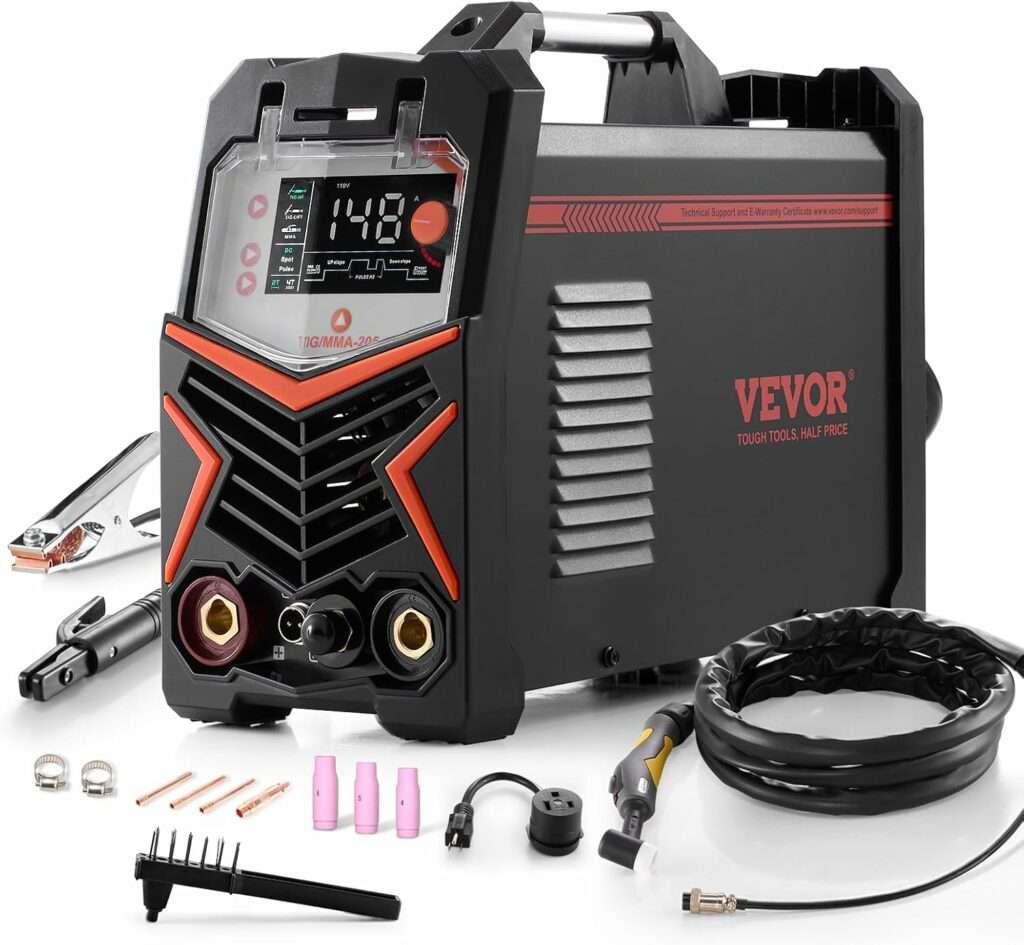
TIG delivers a perfectly controlled weld pool, zero spatter and a visually flawless weld surface. It is the process of choice for professionals working on sensitive materials or demanding quality standards.
Full TIG welding settings and techniques in our dedicated guide.
MIG MAG Welding: Shielding Gas, Wire and Professional Settings
MIG MAG welding (Metal Inert Gas / Metal Active Gas) is the most widely used welding process in body shops, fabrication workshops and manufacturing plants.
A continuously fed welding wire melts in the arc to form the weld bead, enabling significantly higher travel speeds and productivity compared to TIG welding.
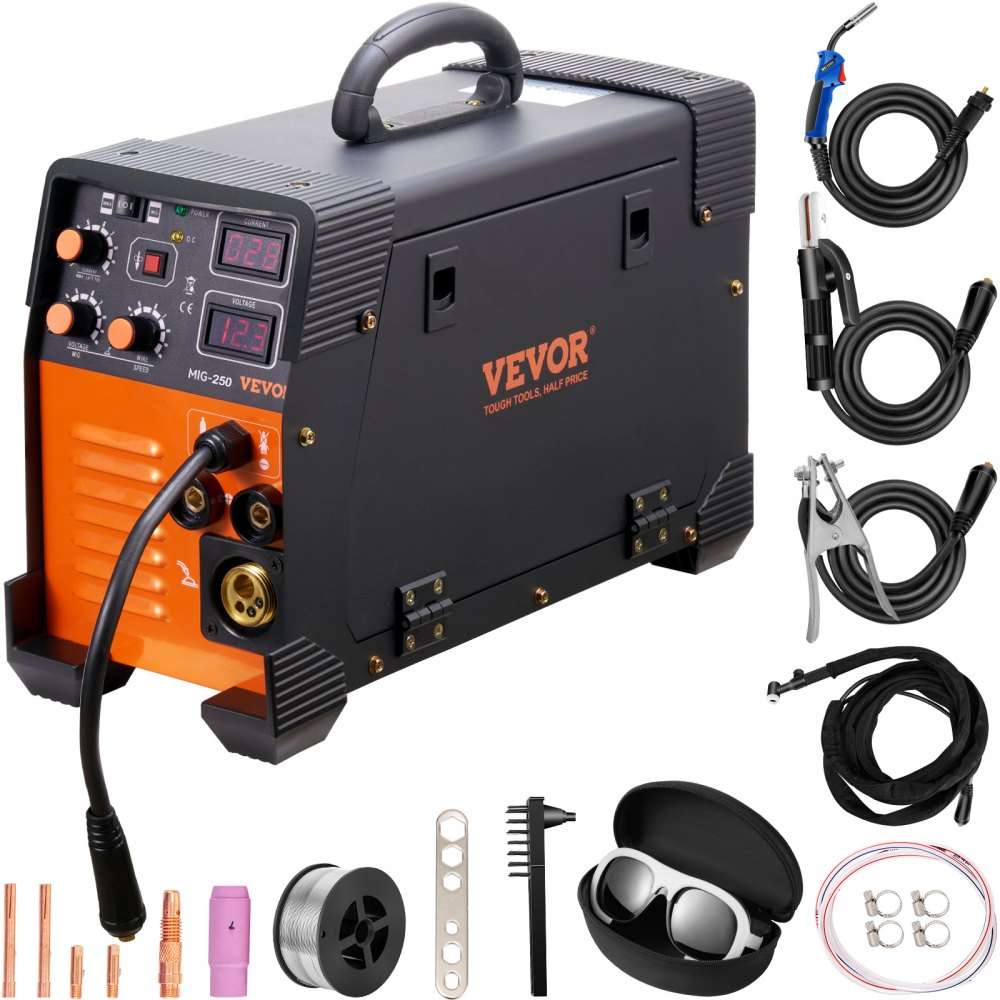
MIG with inert gas shielding excels on aluminium and stainless steel, while MAG with active gas is the standard choice for mild steel and carbon steel.
Easier to handle than TIG, MIG MAG offers the ideal balance of weld quality, speed and cost-efficiency, for automotive repairs, frame fabrication and all applications requiring strong, consistent welds.
MIG MAG settings and gas selection explained in our guide.
MMA Stick Welding: Coated Electrodes and Arc Welding Techniques
MMA welding (Manual Metal Arc / SMAW), also called stick welding or shielded metal arc welding, is the most robust and versatile welding process available.
It requires no shielding gas, no complex infrastructure and performs reliably outdoors, on construction sites, on rusty or thick metal: wherever other processes reach their limits.
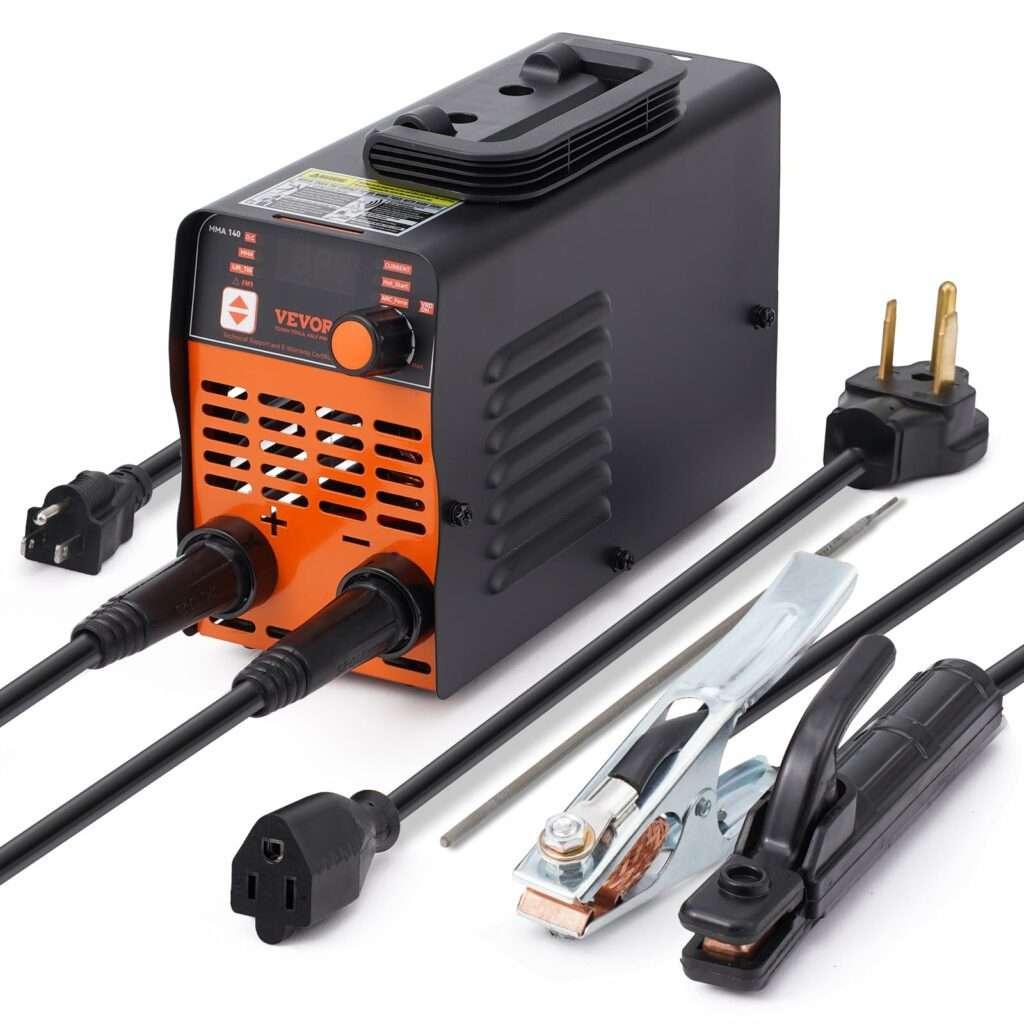
With the right coated electrodes, MMA reliably welds steel, cast iron and a wide range of metal structures.
Mastering the weld pool and slag removal takes some practice, but stick welding remains the top choice for repairs, construction work and all jobs where portability and toughness matter more than aesthetic finish.
MMA stick welding: electrodes, settings and technique in detail.
Spot Welding: Resistance Welding for Automotive and Sheet Metal Fabrication
Spot welding is a resistance welding process essential in the automotive industry, bodywork repair and sheet metal fabrication.
By combining high electrical current and electrode pressure, overlapping metal sheets are locally fused at defined points and permanently joined once cooled.
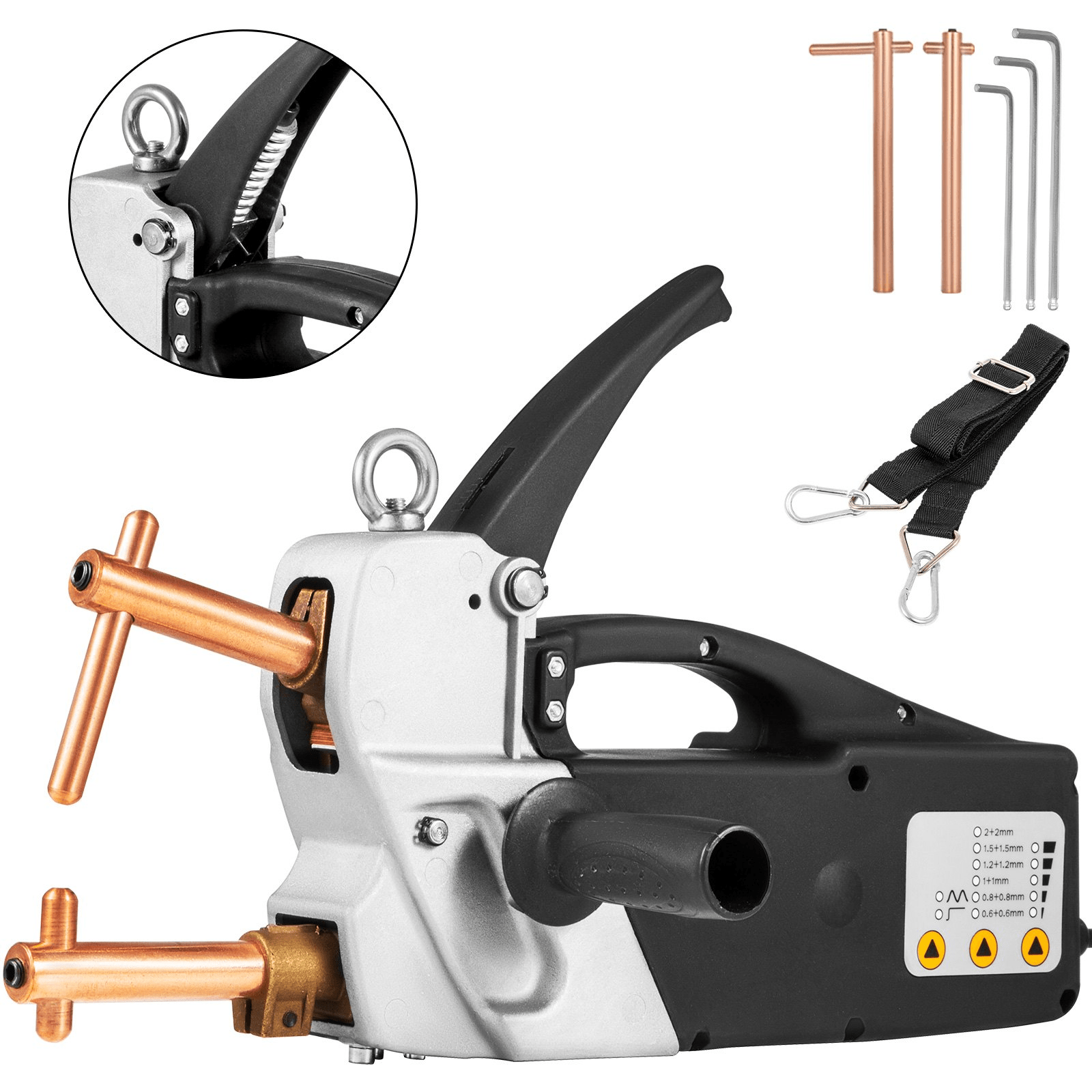
The electrical resistance at the joint interface generates localised heat, melting the metal sheets at a precise point and forming a solid weld nugget once cooled.
In vehicle manufacturing and bodywork repair, spot welding enables fast assembly of body panels and structural components, thousands of weld spots per production day, while maintaining tight dimensional tolerances.
Portable spot welders bring the same precision to repair workshops in a compact, handheld format.
Stud Welder: Paintless Dent Repair Without Panel Removal
The stud welder is the essential tool in any professional automotive body repair shop. It enables dent removal and panel straightening without removing a single component.
Specialised pulling studs are spot-welded onto the damaged panel and serve as anchor points for a slide hammer or pulling device.
The process is straightforward: the damaged area is cleaned, studs are welded on with a brief current pulse, then the technician uses a slide hammer to apply progressive pulling force, gradually restoring the panel to its original shape.
Once straightened, the studs are removed and the surface is sanded and finished. The result is a fast, precise and cost-effective repair with no panel removal required. Stud welder in action: technique and practical applications explained.
Battery Spot Welder: Build Your Own Lithium-Ion Battery Pack
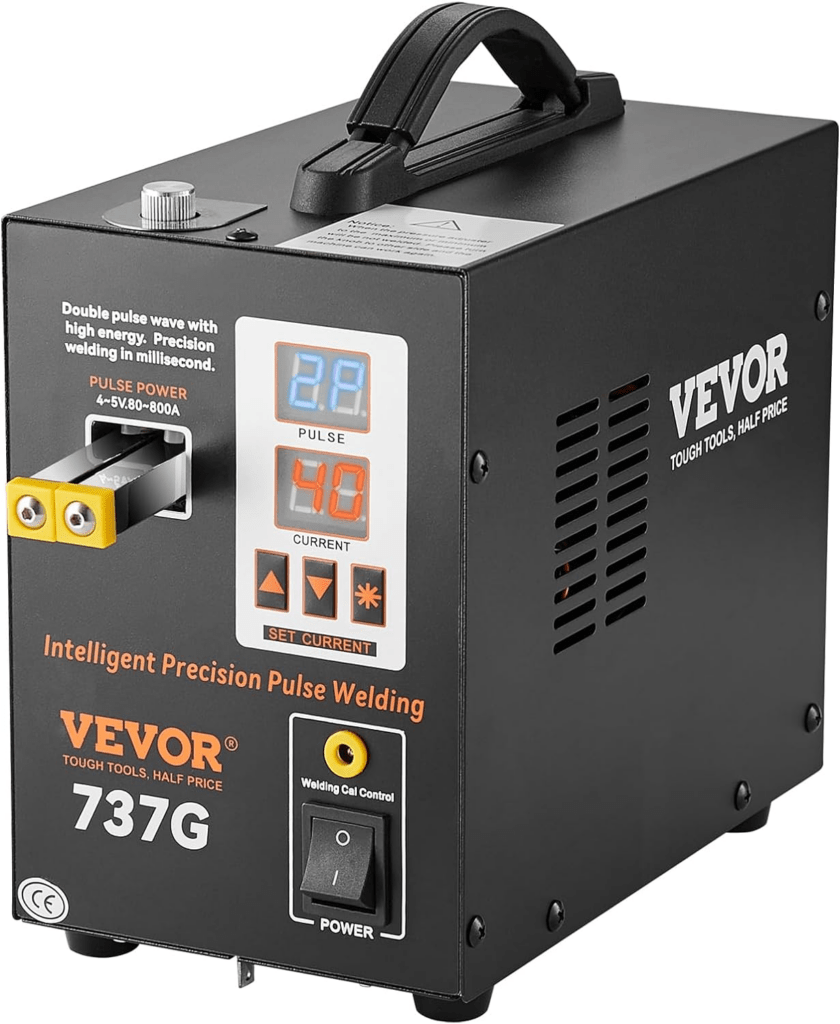
A battery spot welder is a specialised tool for assembling and reconditioning lithium-ion battery packs. It spot-welds thin nickel strips onto the positive and negative terminals of individual cells, creating reliable electrical connections for series or parallel configurations.
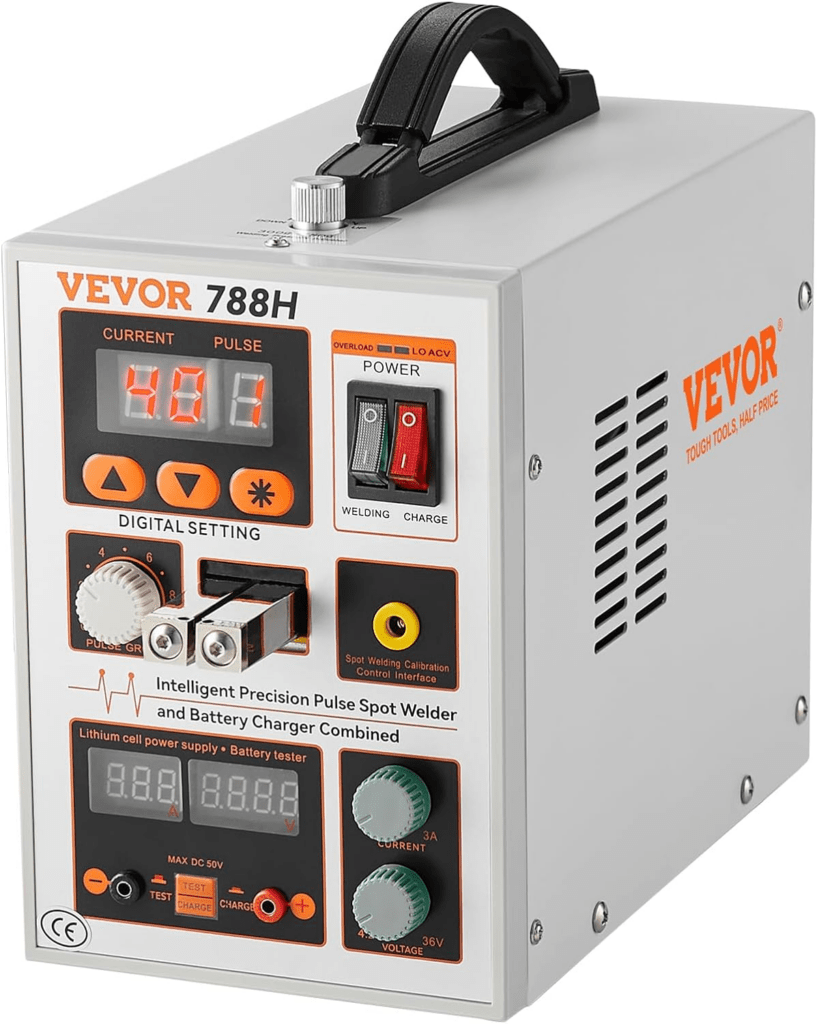
With the rapid growth of electric mobility: e-bikes, electric scooters, electric skateboards, interest in DIY battery pack building has never been higher. Anyone who has priced a replacement e-bike battery quickly understands the appeal of building their own.
A quality battery spot welder makes it possible to connect cells safely and efficiently, customise the pack capacity and fit the assembly into virtually any enclosure.
Whether building an e-bike battery, an electric scooter pack or a custom energy storage unit, anyone can assemble their own lithium-ion pack by choosing the number of cells and the desired layout.
Battery spot welder: how to choose, set up and build a lithium-ion pack.
VEVOR: Professional Welding Machines for TIG, MIG MAG and MMA

VEVOR has established itself as a trusted name in professional welding machines, offering equipment that combines performance, durability and outstanding value for money.
VEVOR welders are designed to meet the demands of fabricators, bodywork technicians, metalworkers and industrial operators looking for reliable, efficient solutions for their daily welding tasks.
From MMA stick welders for on-site work to TIG machines for precision applications and MIG MAG welders with integrated wire feeders, VEVOR offers a comprehensive range of robust machines equipped with modern control electronics for stable, clean and safe welds.
Their exceptional price-to-performance ratio makes VEVOR a compelling choice for both intensive production environments and maintenance or repair applications.
Ergonomic design, controlled power output and intuitive operation: VEVOR welding machines adapt to demanding professional environments while delivering consistently reliable results. Browse the full VEVOR range and read our detailed reviews.
Key Takeaways
- TIG welding: uses a non-consumable tungsten electrode and inert gas, delivers precise, spatter-free welds on stainless steel and aluminium.
- MIG/MAG welding: semi-automatic wire-feed process, the fastest method for welding steel structures, body panels and large surfaces.
- MMA welding: stick electrode process requiring no gas supply, portable, versatile, suitable for outdoor work and thick metals.
- Spot welding: resistance welding that joins overlapping sheet metal panels using electrical current and pressure, the standard in automotive bodywork.
- Stud welder: welds studs onto panel surfaces without rear access, the go-to tool for pulling dents without disassembly.
Frequently Asked Questions About Welding Machines and Welding Processes
What is the difference between TIG and MIG MAG welding?
TIG welding uses a non-consumable tungsten electrode and an inert shielding gas to produce precise, spatter-free weld beads, ideal for stainless steel and aluminium.
MIG MAG welding uses a continuously fed welding wire, enabling significantly higher travel speeds and productivity, making it the preferred choice for mild steel, carbon steel and large-scale fabrication work.
What is MMA stick welding and when should I use it?
MMA welding (Manual Metal Arc / SMAW) is an arc welding process using a coated electrode.
It requires no shielding gas and no complex setup, making it ideal for outdoor work, construction sites, rusty or thick metal, anywhere portability and toughness are more important than aesthetic finish.
How does spot welding work in automotive bodywork?
Spot welding is a resistance welding process: copper electrodes simultaneously apply pressure and electrical current to overlapping metal sheets, generating localised heat that fuses the metals at a precise point, forming a solid weld nugget once cooled.
It is used extensively in the assembly of body panels and vehicle structural components.
What is a stud welder used for in body repair?
A stud welder is used to remove dents and panel deformations without disassembly.
Specialised pulling studs are spot-welded onto the damaged surface and serve as anchor points for a slide hammer, which applies controlled pulling force to restore the panel to its original shape.
How do you build your own lithium-ion battery pack with a battery spot welder?
A battery spot welder spot-welds thin nickel strips onto the positive and negative terminals of individual lithium-ion cells.
By connecting cells in series or parallel according to the desired configuration, you can build a custom battery pack for an e-bike, electric scooter or any other electric vehicle.
Are VEVOR welding machines suitable for professional use?
Yes. VEVOR welding machines: available as MMA, TIG and MIG MAG models, are designed to meet the demands of fabricators, bodywork technicians, metalworkers and industrial operators.
They combine performance, reliability and outstanding value for money, suited to both intensive production environments and maintenance or repair applications.
How to Repair Car Bodywork with a Stud Welder: Step-by-Step Guide
Repairing a dent with a stud welder is a straightforward, fast and cost-effective technique that requires no panel removal whatsoever. Here is how to do it in 5 steps.
- Clean the damaged area: Degrease and thoroughly clean the damaged panel surface to ensure reliable stud adhesion during the welding process.
- Weld the pulling studs: Position the stud welder at the key points of the dent and weld the studs using a brief electrical current pulse. The heat generated fuses the stud metal firmly to the panel.
- Straighten the panel with the slide hammer: Attach the slide hammer to the welded studs and apply progressive, controlled pulling force to gradually restore the panel to its original shape, working point by point.
- Remove the studs: Once the dent has been fully corrected, remove the pulling studs using pliers or an appropriate removal tool.
- Sand and finish the surface: Sand the repaired area to eliminate weld marks and any remaining surface imperfections, then prepare for painting or filler application as required.
Estimated time: 30 minutes. Tools required: stud welder, slide hammer, grinder. Supplies: pulling studs, panel degreaser.